
Sensitive Teeth: Why It Happens and How to Fix It

If you've ever winced after a sip of cold water or a spoonful of ice cream, you're not alone. Tooth sensitivity is one of the most common complaints we hear at Largs Dental Suite, especially in the summer. The good news: most cases are easy to explain and usually very treatable.
What causes sensitive teeth?
Sensitivity usually happens when the inner layer of the tooth — called dentine — becomes exposed. Enamel erosion, gum recession, or enamel worn away by brushing too hard can all leave dentine uncovered. Common triggers include cold drinks, hot tea, sweet foods, and even cold air.
Everyday habits that make it worse
Brushing with too much force, using a hard-bristled brush, or grinding your teeth at night can all wear down enamel or cause gums to recede. Acidic foods and drinks like citrus, fizzy drinks, and wine can also soften enamel over time.
What you can try at home
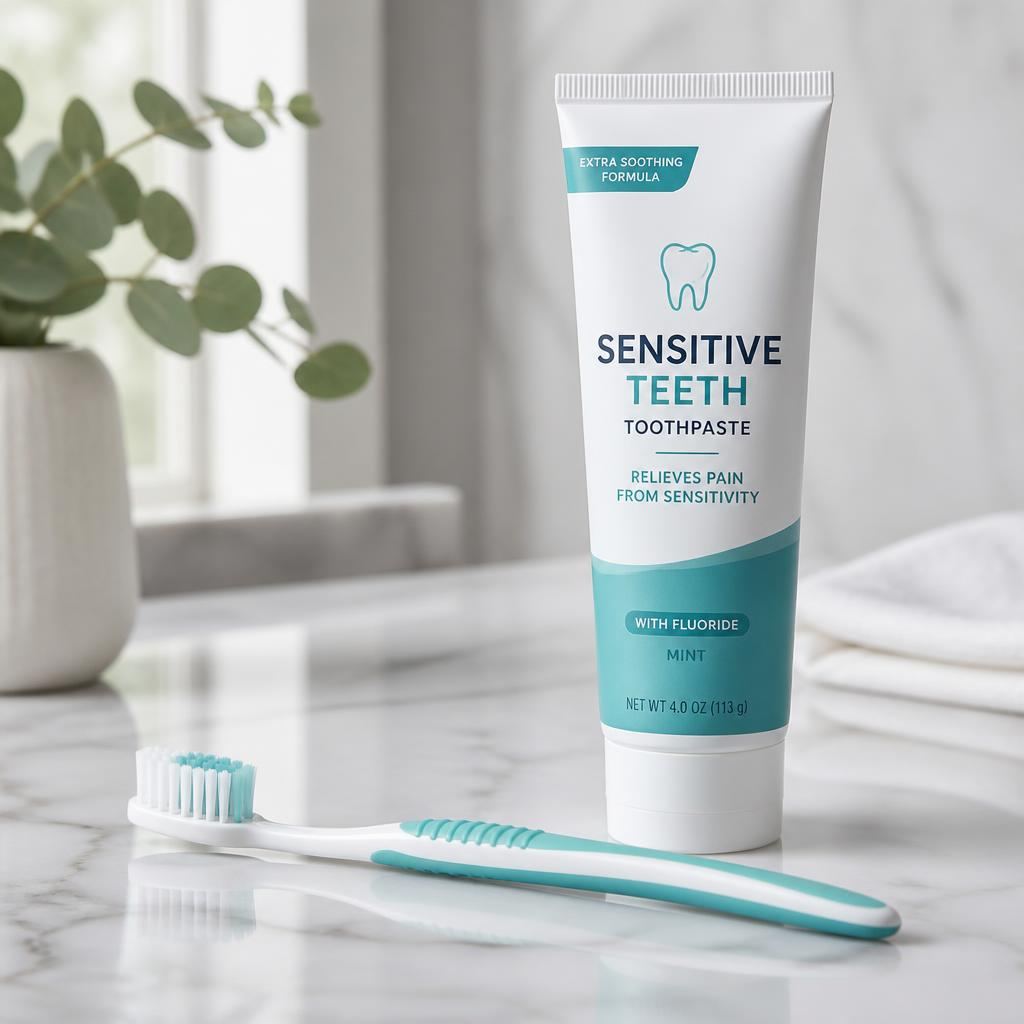
Switch to a soft-bristled toothbrush and a fluoride toothpaste designed for sensitive teeth. Brush gently twice a day and avoid rinsing with water straight after brushing so the fluoride stays on your teeth. Cutting back on acidic snacks and drinks can help too.
When to see a dentist
If sensitivity lasts more than a couple of weeks, is only on one tooth, or comes with pain when biting, it's worth booking a check-up. There may be a cavity, crack, or area of gum recession that needs professional treatment. We can also apply fluoride varnish or sealants to protect exposed dentine.
The bottom line
Sensitive teeth are usually manageable, but they're not something you should ignore for months. A few simple changes to your routine can help, and a short visit with us can rule out anything more serious. If sensitivity is bothering you, get in touch and we'll take a look.